
If you grew up in Knoxville, you were taught that crawl space vents stay open so the house can breathe. That advice made sense in dry climates and before central air, but in East Tennessee, where red clay holds water and summer humidity routinely exceeds 70%, vented crawls are one of the largest sources of mold, musty air, and wasted HVAC dollars. This guide compares ventilation versus full encapsulation with data, code context, and what we see under homes in Farragut, Powell, Maryville, and Oak Ridge every week.
The short answer for Knoxville homeowners
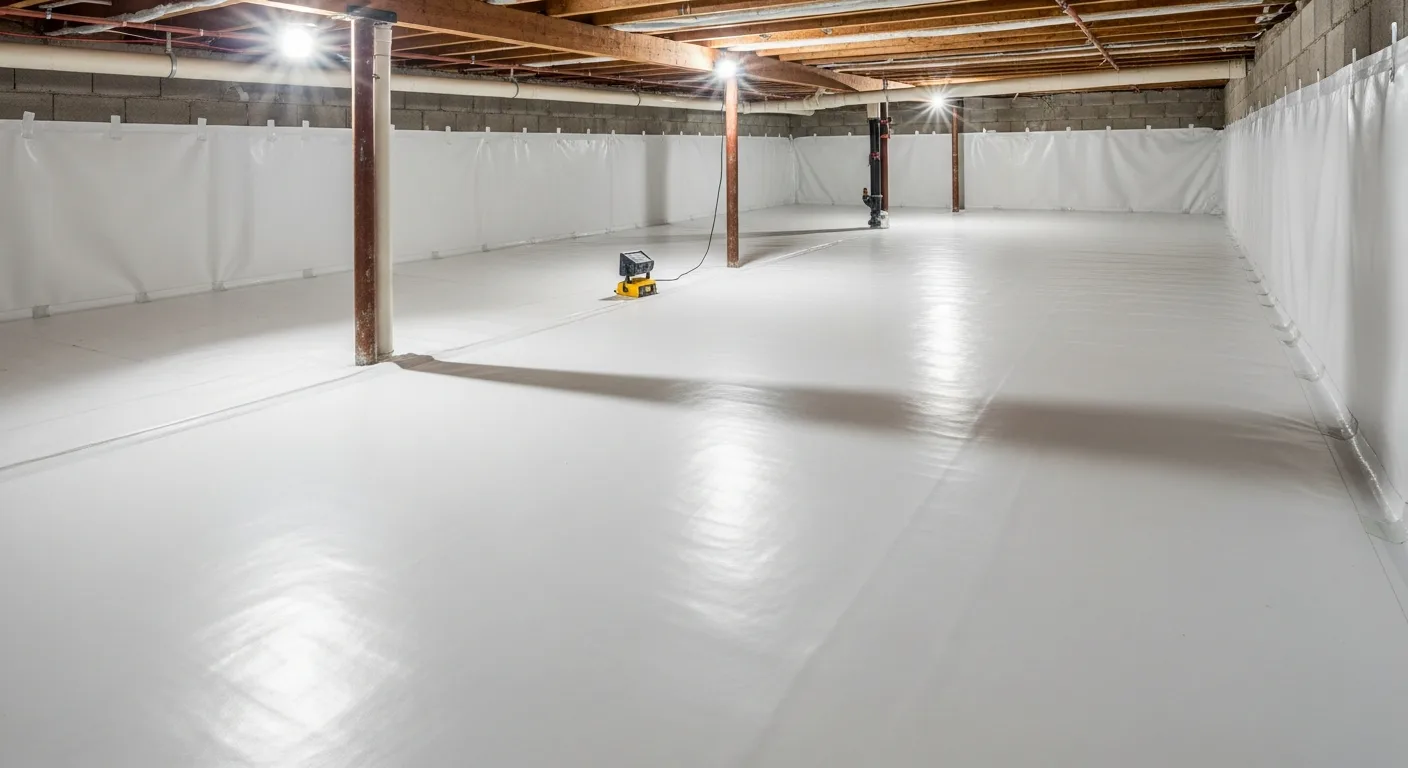
In humid Southeast climates, encapsulation wins when done completely: heavy vapor barrier on the ground, sealed foundation vents, wall liner where needed, drainage if water enters, commercial crawl dehumidifier, and optional wall insulation. Ventilation, open vents, vent fans, or more holes, imports wet outdoor air in summer and does not remove soil vapor from clay. Partial fixes (closing vents without a liner, or adding a fan without dehumidification) often make humidity worse temporarily.
The goal is not zero air movement; it is controlled humidity, typically 50–55% relative humidity (RH) year-round. That is what stops mold at the 60% threshold and stabilizes floor joists. Read our clay soil failure guide for why soil vapor alone overwhelms vents.
What crawl space ventilation was supposed to do
Mid-century building practice assumed outdoor air would flush moisture from under the floor. Vents were placed on opposite walls for cross-flow. In arid regions or above well-drained gravel, that can work. The physics break down when outdoor air is more humid than indoor targets, which describes most Knoxville afternoons from May through September.
When warm, humid outdoor air enters a cool crawl (shaded soil, ducts, concrete block), temperature drops and relative humidity spikes. Condensation forms on ducts, pipes, and joists, the same mechanism as a cold drink sweating on a patio. Vents do not dry the crawl; they load it with moisture.
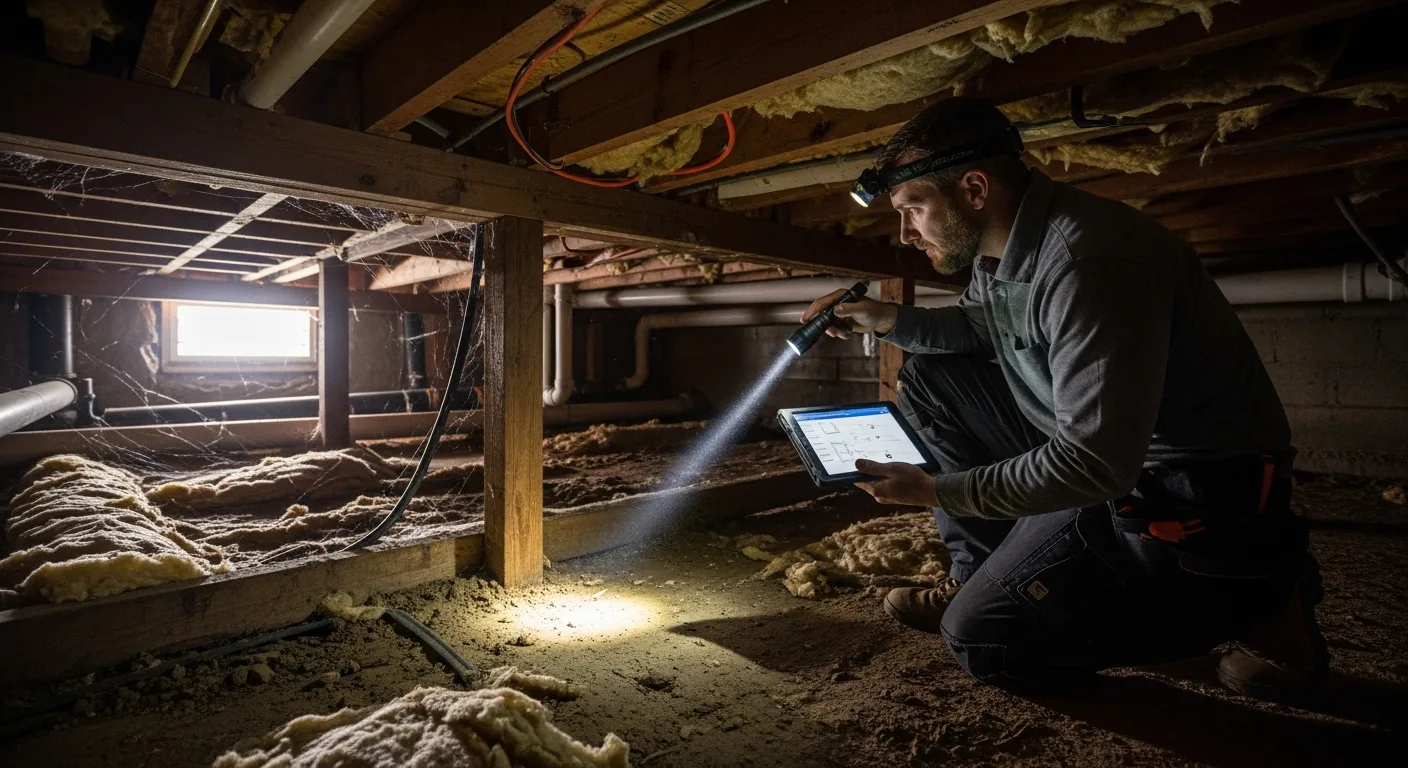
Knoxville humidity by the numbers
- 50+ inches of annual rainfall, soil stays wet on clay for days after storms
- Summer outdoor RH often 70–85%; vented crawls can approach 100% RH
- Mold growth likely above 60% RH on wood and paper-faced insulation
- Smoky Mountain corridor adds persistent latent moisture vs inland dry cities
A homeowner with a hygrometer in July will often read 75% RH outdoors and higher in the crawl with vents open. That is not a ventilation failure you can fan away, it is climate mismatch. Our crawl space dehumidifier page explains sizing for these loads.
Encapsulation vs ventilation, side by side
| Factor | Vented crawl | Encapsulated crawl |
|---|---|---|
| Summer RH | Often 80–100% | Held 50–55% with dehu |
| Soil vapor from clay | Uncontrolled rise to joists | Blocked by sealed liner |
| HVAC efficiency | Ducts in humid air; high latent load | 15–25% savings common when insulated |
| Mold risk | High, see symptoms guide | Low when RH maintained |
| Typical fix cost | Fans/vents: temporary | $5,000–$15,000 full system |
Why vent fans and “more ventilation” fail here
Powered vent fans pull air from the path of least resistance, often from other vents, not magically from dry soil. In July, that air is humid. Fans can also create negative pressure that draws conditioned air from living spaces through floor gaps, increasing energy bills without drying joists.
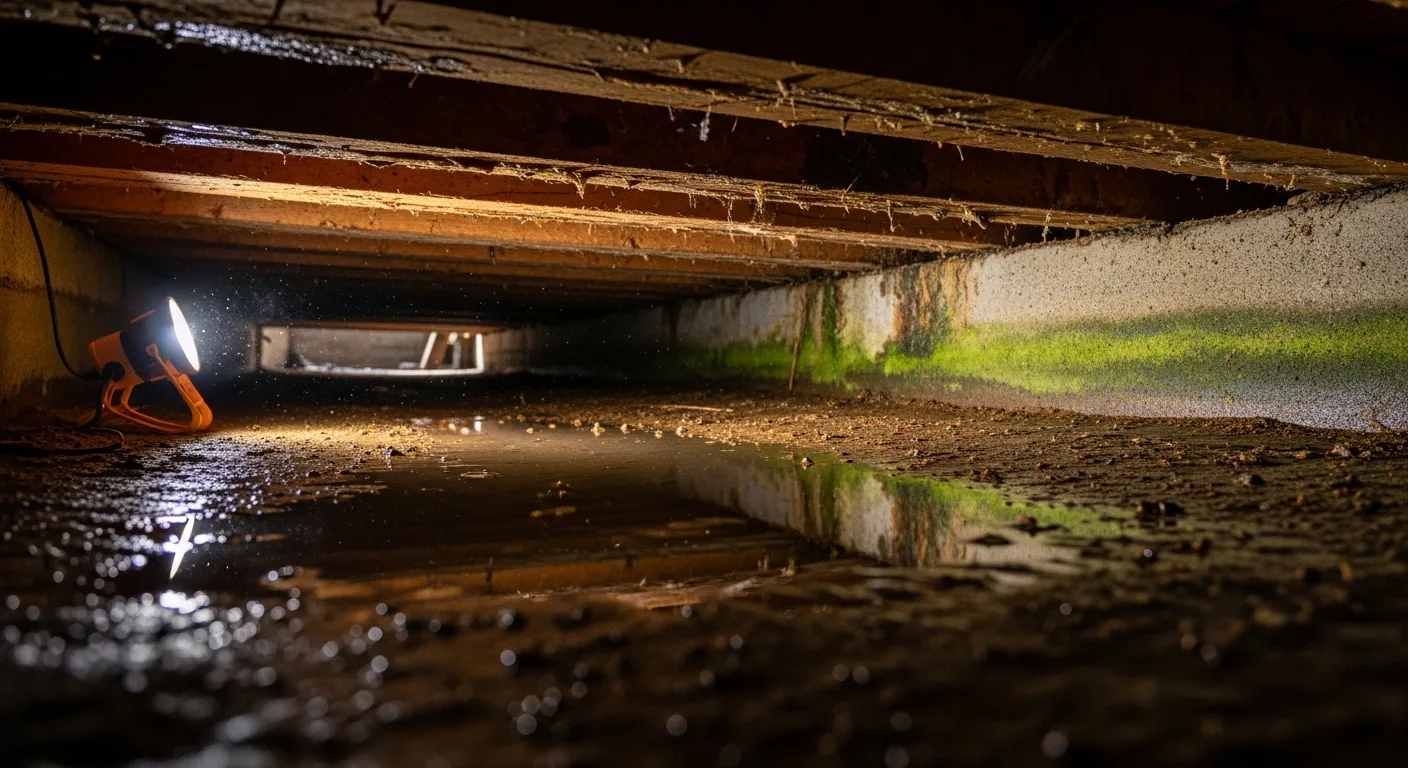
We regularly inspect Maryville and West Knox homes where a previous contractor installed a fan and thin plastic; RH dropped for a week, then mold returned on the north wall where sun never dried the block. The fix was always the same system: remove failed fiberglass, treat mold if needed, install proper vapor barrier, seal vents, add commercial dehumidifier, the scope on our encapsulation page.
Tennessee building code and grandfathered vents
Older Knox County homes were permitted with vented crawls. Modern building science for humid climates (IRC updates, DOE guidance, ASTM moisture standards) favors sealed, conditioned crawl spaces where moisture is actively managed. Retrofits commonly close vents as part of encapsulation when a liner and dehumidifier are installed, not as a standalone experiment.
If you are selling or buying, inspectors still note vents, explain the upgraded system with RH documentation and photos. Our Powell and Farragut location pages describe suburb-specific housing eras; both see the same humidity physics.
Can you close vents without encapsulation?
Closing vents alone traps soil vapor and summer humidity with no exit strategy, RH can climb. The safe sequence:
- Fix active water (drainage / sump)
- Remediate mold if present (mold removal)
- Install ground and wall liner
- Seal vents and rim penetrations
- Size and install commercial dehumidifier with drain
- Optional wall insulation on foam after dry
Skipping steps is why DIY “I closed the vents” stories fail. Our 2026 cost guide breaks line items so you can compare quotes apples-to-apples.
Energy: encapsulation vs leaving vents open
Ducts in vented crawls sit in 90%+ RH environments; insulation sags, R-value collapses. Sealing the crawl and insulating walls shifts the thermal boundary, less latent load on AC, warmer floors in winter. Department of Energy case studies in humid zones cite double-digit HVAC savings when crawls are fully sealed and dehumidified, not merely re-vented.
Operating a crawl dehumidifier costs far less than repeated mold remediation or joist sistering. Pair with proper insulation after the space is dry.
Neighborhood patterns we see in Knox County
Farragut & West Knox
Larger footprints, taller crawls, still vented from the 1980s–2000s build era. Homeowners notice musty second floors and high summer bills. Farragut encapsulation projects often include 90-pint class dehumidifiers.
Powell & Halls
Lower clearance ranch homes; fallen fiberglass and open vents on clay. Tight crawls need careful dehu placement, see Powell.
Maryville & Blount County
Hillside grading toward block walls; ventilation cannot overcome groundwater without drainage first. Maryville encapsulation often pairs waterproofing.
Oak Ridge
Older stock and slab-adjacent crawls, inspectors flag vent screens stuffed with debris. Oak Ridge same sealed spec.
Myths we hear on inspection
- “Open vents in winter, closed in summer.” Manual toggling does not address soil vapor; inconsistent RH stresses wood.
- “A little mold is normal with vents.” Mold at 60% RH is predictable, not normal, it will spread to subfloor and HVAC return paths.
- “Encapsulation traps radon.” Radon mitigation is separate; liners do not replace radon systems where required. Ask about testing if granite-heavy fill is present.
- “Plastic on the ground is enough.” Without sealed vents and dehumidification, thin plastic fails, see gallery before & after.
When ventilation might still matter
Active remediation during severe flooding may require temporary drying equipment. New construction in humid zones increasingly builds closed, conditioned crawls from the start, functionally encapsulation at birth. If you have a mechanical supply/return to the crawl (full conditioned crawl), that is a different design than passive vents, rare in older Knoxville stock.
Decision checklist before you spend money
- Log RH in the crawl on a hot August afternoon, above 60% means vents are not protecting you.
- Photograph vent screens, fallen insulation, and soil, bare clay confirms vapor load.
- Get two quotes that list liner mil, vent sealing, dehu model/pints, and drainage, not “vent repair.”
- Ask for target RH and warranty on equipment.
- Plan budget using $5,000–$15,000, see financing options or call for current programs.
What to do next
Free crawl inspection across Knoxville MSA: 865-344-5507. We measure humidity, document vents, and quote full encapsulation, not band-aids. Related reading: mold symptoms, clay soil, dehumidifiers.